
Why Bottleneck Risk Deserves Attention
What the research shows: 89% of companies experienced a supplier risk event in the past five years, and bottleneck exposure is structurally predictable, not exceptional.
By Anupam Aggrwal, CEO & Co-Founder · 14 April 2026
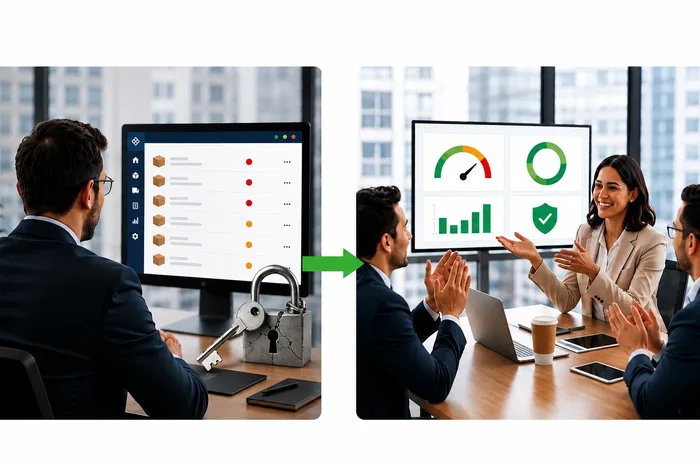
Bottleneck suppliers occupy a deceptively dangerous position and rarely receive attention until a crisis forces the issue. They typically account for a small share of total spend, yet supply items or services that are highly specialized, difficult to source elsewhere and critical to operational continuity.
Low purchasing value combined with high supply risk gives them disproportionate leverage, simply because alternatives are scarce and switching costs are prohibitive. When one falters the ripple effect is swift and costly: production slows, customer commitments are missed, and few options exist.
This whitepaper sets out how to identify true bottleneck exposure and how to shift the negotiation objective from price to continuity.
What the research shows: 89% of companies experienced a supplier risk event in the past five years, and bottleneck exposure is structurally predictable, not exceptional.
For bottleneck categories the goal is supply assurance, not the best commercial outcome. A side-by-side comparison against leverage-category negotiation.
From identifying true bottleneck exposure through building a dual-track sourcing plan to keeping the relationship professional, not emotional, sequenced so most teams can start executing within a single quarter.
A small, quarterly-reviewed set of indicators (dependency score, buffer stock coverage, lead-time variance), sized for a low-spend category.
Category managers and buyers responsible for specialized, low-spend, hard-to-source categories, and the procurement and operations leaders who feel the impact when one of them falters.
The full guide includes a worked illustrative example applying all nine steps, and a 90-day roadmap sequenced into three 30-day phases.